How to Use Fitness Trackers to Stay Active and Productive
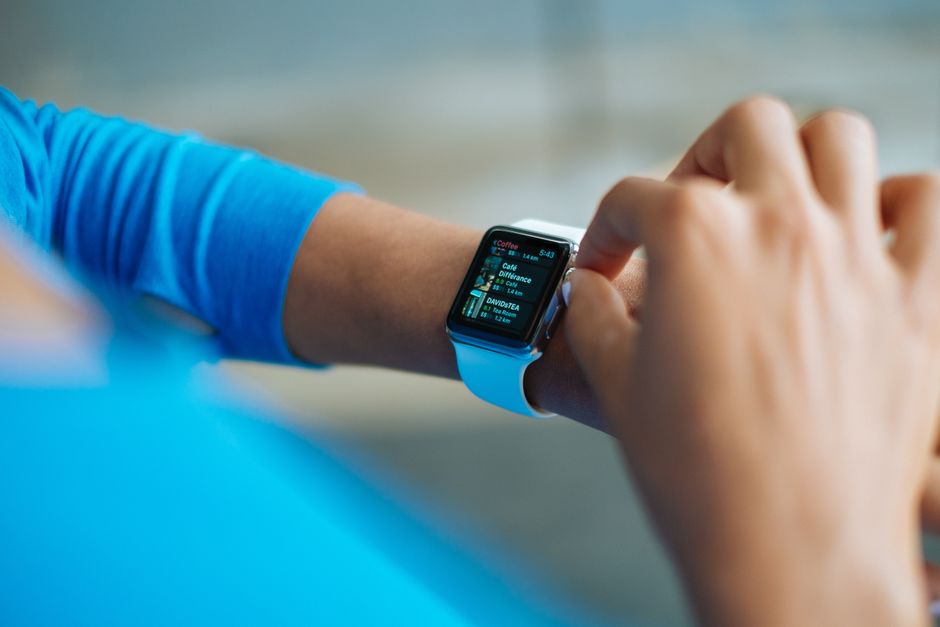
Fitness trackers and smartwatches have become common accessories for many people in the UK, often worn daily to monitor steps, heart rate, and sleep patterns. Their growing popularity is partly due to their potential to support an active lifestyle, but their usefulness extends beyond exercise tracking. When used thoughtfully, these devices can also contribute to a more organised and productive daily routine.
This article explores how fitness bands and smartwatches can assist in setting activity goals, creating reminders, and integrating with typical work schedules. The focus is on practical methods and considerations, rather than promotional claims. By understanding the features and strategies available, individuals can make informed choices about incorporating these tools into their lives.
Understanding Fitness Tracker Features
Modern fitness trackers offer a variety of functions that can be beneficial for both physical activity and time management. Most devices include step counting, distance estimation, and calorie burn approximations, which provide a baseline for monitoring daily movement. More advanced models may also monitor heart rate continuously, track sleep stages, and offer guided breathing exercises. These features are designed to give users a comprehensive view of their physical status.
Beyond activity metrics, many trackers include smart notifications, calendar alerts, and customisable reminders. This integration with digital calendars and communication apps allows users to receive discreet alerts for meetings, deadlines, or personal tasks. The ability to set reminders to stand up, move, or drink water is also common, serving as prompts to break up sedentary periods. However, it is important to note that the availability of these features varies between models and brands.
When selecting a tracker, it is advisable to consider which features align with personal goals and daily routines. For instance, someone who spends long hours at a desk may prioritise inactivity alerts, while another person may value sleep tracking to improve rest and recovery. Understanding the capabilities of a device is the first step in using it effectively.
Setting Effective Activity Goals
Goal setting is a central aspect of using fitness trackers effectively. Most devices come with default goals, such as 10,000 steps per day, but these may not be suitable for everyone. Goals should be personalised based on current fitness levels, time availability, and health considerations. For example, a person new to regular activity might start with 5,000 steps and gradually increase the target.
It is also useful to set specific and measurable goals that go beyond daily steps. Many trackers allow users to define goals for active minutes, distance, or calories burned. These can be adjusted over time as fitness improves. Some devices even offer automatic goal suggestions based on past performance, which can be a helpful guideline.
However, it is essential to approach goal setting with a realistic mindset. Goals should motivate consistent activity without causing undue stress or injury. Tracking progress against these goals can reveal patterns and help in making adjustments. For instance, if a user consistently misses step goals on weekdays, they might consider incorporating short walking breaks during work hours. In this way, goals become tools for reflection and gradual change.
Integrating Trackers into Your Daily Workflow
The integration of fitness trackers into a daily work routine requires deliberate planning. One practical method is to link the tracker to a digital calendar. This allows for automatic reminders for meetings or tasks, which can be viewed on the wrist without checking a phone. Such notifications can help in managing time and reducing distractions.
Another strategy is to use activity reminders strategically. Many trackers allow customisation of inactive alerts, such as a prompt to move after an hour of sitting. Scheduling these reminders during typical work periods can encourage regular movement without disrupting focus. For example, setting a standing reminder at 45 minutes past each hour might prompt a brief walk or stretch.
Additionally, using the tracker’s stopwatch or interval timer features can aid in implementing the Pomodoro Technique or similar time management methods. These techniques involve working in focused blocks with short breaks, and the timer on the wrist can facilitate this rhythm. Furthermore, syncing with productivity apps may allow for automatic logging of physical activity into a daily plan, creating a comprehensive view of how time is spent.
It is also possible to use fitness trackers to reinforce a balanced routine. For instance, aiming to achieve a certain number of steps before or after work can encourage a commute that includes walking or cycling. This not only adds physical activity but also creates clear boundaries between work and personal time.
Using Reminders and Notifications Effectively
Reminders and notifications are powerful features, but they need to be managed carefully to avoid becoming a source of stress. Most devices allow users to customize which notifications are received, and it is wise to selectively enable only the most important ones. For example, turning off non-essential app alerts can reduce interruptions, while keeping calendar and message notifications ensures that critical information is not missed.
Activity reminders can be configured to suit individual schedules. Instead of using default settings, think about when the most beneficial times for movement are. For the UK workforce, typical office hours might be 9am to 5pm, so reminders could be set accordingly. Some people may find it helpful to have a reminder just before a typical afternoon energy dip, encouraging a short walk to re-energise.
Bedtime reminders are another feature that can support a healthy routine. Sleep hygiene is important for both health and productivity, and receiving a gentle reminder to wind down can help in establishing a consistent sleep schedule. Moreover, some trackers provide a “do not disturb” mode that silences notifications during specified hours, which is useful for focused work or sleep.
Fitness trackers are most effective when they fade into the background, providing subtle prompts that support conscious choices.
Evaluating Progress and Staying Motivated
To derive long-term value from a fitness tracker, regular evaluation of collected data is helpful. Many devices come with companion apps that present trends in activity, sleep, and other metrics over time. Reviewing these trends can reveal patterns, such as lower activity on certain days or a correlation between sleep duration and daily step counts. Such insights can inform adjustments to goals and routines.
Staying motivated is often challenging, but trackers can offer some support through achievements or progress markers. Many apps include badges or milestones for reaching historical bests or maintaining streaks. While these are not definitive measures of success, they can serve as small incentives. However, motivation should come primarily from a genuine desire to improve well-being.
It is also important to remember that fitness trackers are tools, not authority figures. They provide data and reminders, but the decision to act rests with the individual. Setting realistic expectations about what can be achieved is crucial. For example, increasing daily step count by 500 steps per week is a more attainable goal than doubling it overnight.
Incorporating regular reviews, such as a weekly check-in on progress, can help in staying on track. This might involve assessing which aspects of the routine are working and which need modification. By treating the tracker as a supportive assistant, rather than a strict supervisor, individuals can integrate it into their lives in a sustainable manner.
Ultimately, the impact of a fitness tracker on activity and productivity varies from person to person. Its effectiveness depends on how consistently it is used and how well its features align with personal goals. The information presented here provides a framework, but individual experience will guide the most suitable approach.